[mwai_chatbot id="default"]

#PakistanEconomy

Pakistan faces a historic fuel price hike as petrol reaches Rs458/litre and diesel Rs520. Explore causes, subsidies, inflation impact,

Pakistan Announces Historic Fuel Price Increase

Pakistan Announces Historic Fuel Price Increase 1408 768 D. I. Khan New City

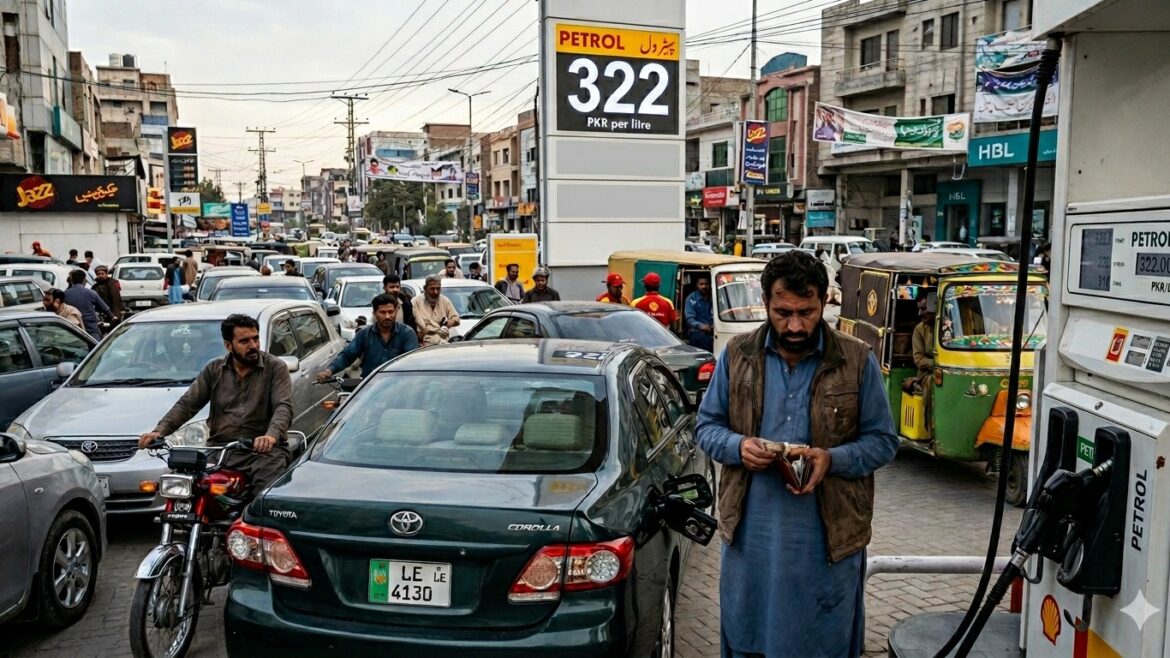
Pakistan is witnessing an unprecedented surge in fuel prices as the government officially raises petrol to Rs458 per litre and diesel to Rs520 per litre. This marks one of the highest increases in the country’s history, with petrol rising by Rs137 and diesel by Rs184 overnight.

The decision comes after the government withdrew blanket fuel subsidies, replacing them with targeted relief measures. As a result, the impact is expected to ripple across all sectors, from transportation to food and daily essentials.

Why Fuel Prices Increased So Sharply

A key factor behind this massive hike is the sharp rise in global oil prices. Ongoing geopolitical tensions, particularly the conflict involving Iran, the United States, and Israel, have disrupted global supply chains.

Consequently, crude oil prices surged by up to 80–90% in international markets. Diesel prices alone reportedly touched around $250 per barrel, forcing Pakistan to adjust local prices accordingly. Meanwhile, mounting financial pressure from unsustainable subsidies made price adjustments unavoidable.

End of Blanket Subsidies: A Major Policy Shift

Previously, the government provided broad fuel subsidies to control inflation. However, this approach proved too costly. In March 2026 alone, around Rs129 billion was spent on fuel subsidies. Therefore, the government has now shifted to a targeted subsidy model to maintain fiscal discipline.

Key Policy Changes:

  • Blanket subsidies have been withdrawn
  • Petroleum levy on petrol increased to Rs160 per litre
  • Levy on diesel reduced to zero to control transport costs

This strategy aims to balance economic stability while still offering relief to vulnerable groups.

Relief Measures for Public and Key Sectors

To ease the burden on citizens, the government has introduced targeted subsidies:

For Individuals:

  • Motorbike users will receive a Rs100 per litre subsidy
  • Limited to 20 litres per month for three months

For Farmers:

  • Small farmers will get Rs1,500 per acre support during harvest

For Transport Sector:

  • Rs100 per litre subsidy for diesel-based transport
  • Trucks carrying food items to receive Rs70,000 per month
  • Large transport vehicles to get Rs80,000 monthly
  • Public transport vehicles to receive Rs100,000 monthly

Additionally, Pakistan Railways will receive support to maintain affordable fares.

Kerosene Prices Also Increase

The government has also raised kerosene prices by Rs34 per litre, bringing the new rate close to Rs458 per litre. This will further impact low-income households that rely on kerosene for daily use.

Energy Saving Measures Introduced

Alongside fuel price adjustments, the government has announced energy conservation measures. Early market closures will be enforced nationwide to save approximately 1,200MW of electricity during peak hours. New business timings will be announced in coordination with provincial governments.

Impact on Inflation and Daily Life

This sharp increase in fuel prices is expected to intensify inflation across Pakistan.

Likely Effects:

  • Higher transportation costs
  • Increase in food and commodity prices
  • Rising utility and service charges
  • Increased cost of doing business

Since fuel is a key driver of the economy, its price directly affects almost every sector.

Political and Economic Challenges Ahead

The government acknowledges that these decisions are difficult but necessary. While targeted subsidies offer some relief, the overall burden on citizens remains significant. Balancing fiscal responsibility, international commitments, and public expectations will be a major challenge in the coming months.

Conclusion

The fuel price hike in Pakistan, with petrol reaching Rs458 and diesel Rs520 per litre, reflects the country’s struggle to cope with global oil shocks and internal financial constraints. By shifting from blanket subsidies to targeted relief, the government aims to stabilize the economy while protecting vulnerable groups. However, the rising cost of living remains a serious concern for millions of Pakistanis. The coming weeks will be critical in determining how effectively these measures control inflation and support economic stability.
Why Gold Prices Are Decreasing in Pakistan?

Why Gold Prices Are Decreasing in Pakistan?

Why Gold Prices Are Decreasing in Pakistan? 1500 500 D. I. Khan New City

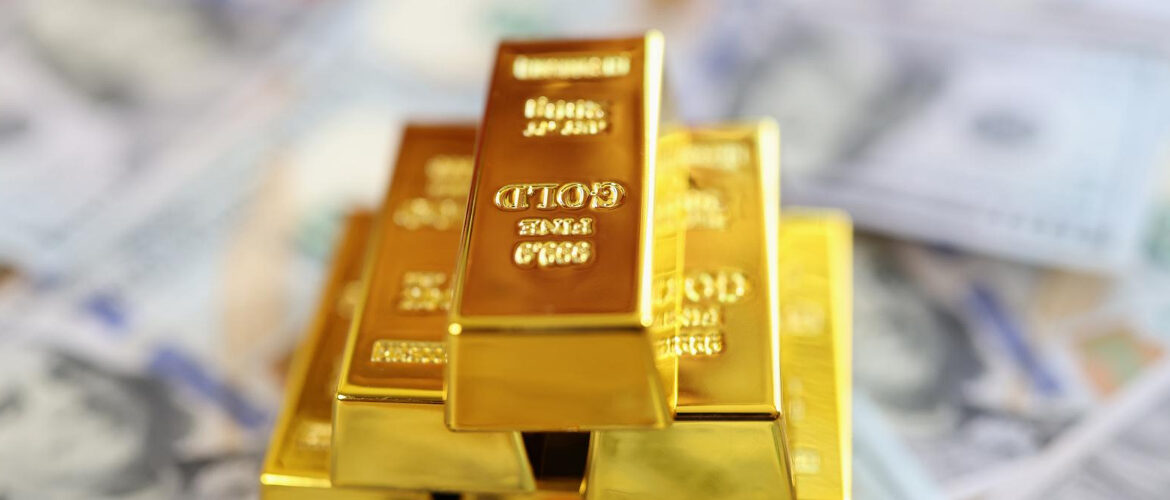
Gold has always been considered a safe investment in Pakistan. For decades, people have trusted it during economic uncertainty. However, recent trends show that gold prices in Pakistan have started to decline. This has surprised many investors and buyers. Understanding the reasons behind this decline is important. Several global and local factors influence gold prices every day. Let’s explore what is causing the decrease and what the future may hold.

Global Gold Market Trends

One major reason for falling gold prices is the international gold market. Pakistan imports gold, so local prices strongly depend on global rates. Recently, international gold prices have softened due to stronger economic indicators in major economies. When global markets stabilize, investors often shift their focus from gold to other investments like stocks or bonds. As demand decreases worldwide, gold prices naturally begin to fall.

Strengthening of the US Dollar

Gold prices usually move in the opposite direction of the US dollar. When the US dollar becomes stronger, gold tends to become more expensive for international buyers. As a result, global demand for gold decreases. Since Pakistan’s gold prices are linked with international markets, a stronger dollar can lead to lower gold prices locally.

Reduced Local Demand in Pakistan

Local demand also plays a role in price movements. Recently, many buyers in Pakistan have delayed purchasing gold due to economic uncertainty. High inflation and rising living costs have shifted household spending priorities. People are focusing more on essential expenses instead of luxury purchases like jewelry. Lower demand in local markets often leads to a temporary drop in gold prices.

Interest Rates and Investment Shifts

Central banks around the world have increased interest rates to control inflation. Higher interest rates make savings accounts, bonds, and other financial assets more attractive than gold. Since gold does not generate interest, some investors move their money to these alternatives. This shift can also push gold prices downward.

What This Means for Gold Buyers

For many buyers in Pakistan, falling gold prices may actually be good news. Lower prices can provide an opportunity to buy gold at more affordable rates. Investors who believe in long-term value often see price dips as a good entry point. Jewelry buyers may also benefit during wedding seasons when prices temporarily decrease.

Future Outlook for Gold Prices in Pakistan

Predicting gold prices is never simple. However, several indicators suggest that the decline may not last forever. Gold traditionally performs well during periods of economic instability. If global inflation rises again or geopolitical tensions increase, gold prices may climb once more. Many financial analysts believe gold will remain a strong long-term investment, even if short-term fluctuations continue.

Should You Invest in Gold Now?

For cautious investors, the current price dip may present a strategic opportunity. However, it is important to remember that gold should usually be part of a diversified investment portfolio. Instead of investing everything in one asset, balanced investments help reduce financial risks. Before making any major investment decision, it is always wise to observe market trends carefully.

Conclusion

Gold prices in Pakistan are currently experiencing a decline due to several factors. These include global market trends, a stronger US dollar, reduced local demand, and rising interest rates. While prices may fluctuate in the short term, gold continues to hold its reputation as a reliable store of value. For investors and buyers alike, understanding these market dynamics can help make better financial decisions in the future.

Arif Habib Consortium Wins PIA Privatisation Bid for Rs135 Billion

Arif Habib Consortium Wins PIA Privatisation Bid for Rs135 Billion

Arif Habib Consortium Wins PIA Privatisation Bid for Rs135 Billion 1920 786 D. I. Khan New City

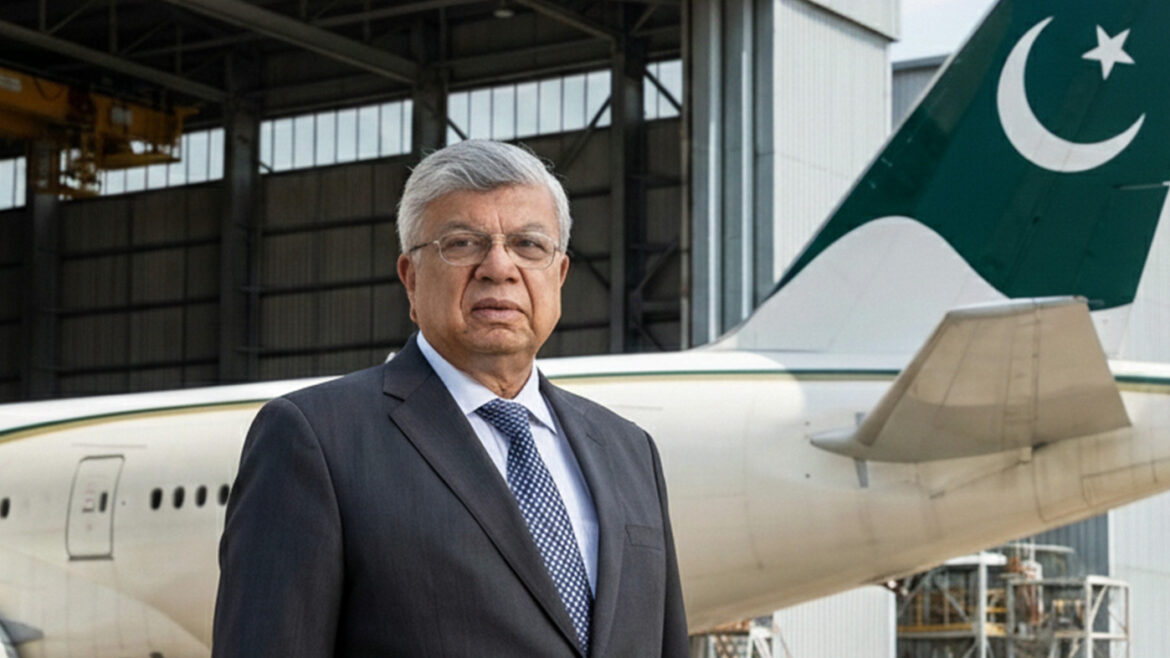
Pakistan reached a major milestone as the Arif Habib Consortium won the privatisation bid for Pakistan International Airlines (PIA) with a record offer of Rs135 billion. This deal marks the government’s second attempt to privatise the national carrier and could reshape Pakistan’s aviation sector. The bidding process took place live and attracted strong national attention.

How the Bidding Unfolded

The privatisation auction saw intense competition.
The Lucky Group opened with a bid of Rs101.5 billion.
Airblue earlier submitted an offer of Rs26.5 billion.

The Arif Habib Consortium entered with Rs115 billion, leading the process. During open bidding, the consortium raised its offer to Rs135 billion, securing victory. The winning group will acquire 75% of PIA’s shares. It may purchase the remaining 25% within 90 days.
Under the privatisation plan, 7.5% of the proceeds will go to the government. The remaining amount will support PIA’s operational improvement and fleet modernization.

Who Makes Up the Arif Habib Consortium?

The consortium includes leading Pakistani organizations:

  • Arif Habib Limited
  • Fatima Fertilizer
  • The City School
  • Lake City Holdings

This diverse partnership brings financial strength, corporate governance, and long-term strategic vision.

Why This Privatisation Succeeded

Last year, the privatisation attempt failed. It attracted only one bid of Rs10 billion, far below expectations.

This year, the outcome changed due to major reforms.
The government absorbed over Rs650 billion in liabilities.
PIA’s equity improved from negative Rs45 billion to positive Rs30 billion.

Tax exemptions on aircraft leases and partial tax relief also boosted investor confidence.

PIA’s Financial Turnaround

PIA reported a net profit of Rs26.2 billion for FY2024. In 2023, the airline posted a loss of Rs75 billion. Operational margins now exceed 12%, placing PIA among competitive global airlines. The airline operates 38 aircraft, with 18 currently active. It holds landing rights at 78 international airports, including London, Paris, and Canada. U.S. operations remain suspended.

Fleet Expansion Plan: From 38 to 65 Aircraft

After winning the bid, Arif Habib announced plans to expand PIA’s fleet.
The airline will first restore operations to 38 aircraft.
In the next phase, the fleet will grow to 65 aircraft.

This expansion aims to improve connectivity, service quality, and international competitiveness.

Workforce and Asset Details

PIA reduced its workforce from 11,500 to around 6,500 employees.
The company guarantees job security for one year after privatisation.
Voluntary separation schemes may follow.

The PIA Holding Company will continue to pay pensions and benefits to retired staff.

The deal excludes high-value assets, including PIA-owned hotels in New York and Paris. The agreement covers core airline operations, cargo services, kitchens, and training facilities.

A Turning Point for Pakistan’s Aviation Sector

Privatisation will end years of financial strain on the national treasury. PIA’s losses previously cost billions of rupees annually. Although the government receives limited upfront cash, the long-term gains are significant. A profitable PIA will no longer rely on taxpayer support. Industry experts call this move a turning point. After 21 years of losses, PIA has a clear path toward sustainable growth.

Final Thoughts

The Rs135 billion acquisition sends a strong signal to investors. Pakistan can now execute large-scale reforms with transparency and confidence. If managed effectively, this deal can restore PIA’s reputation and set a new standard for state-owned enterprise reforms.

Pakistan Achieves Record-Breaking $4 Billion in Rice Exports in 2024

Pakistan Achieves Record-Breaking $4 Billion in Rice Exports in 2024

Pakistan Achieves Record-Breaking $4 Billion in Rice Exports in 2024 1360 930 D. I. Khan New City

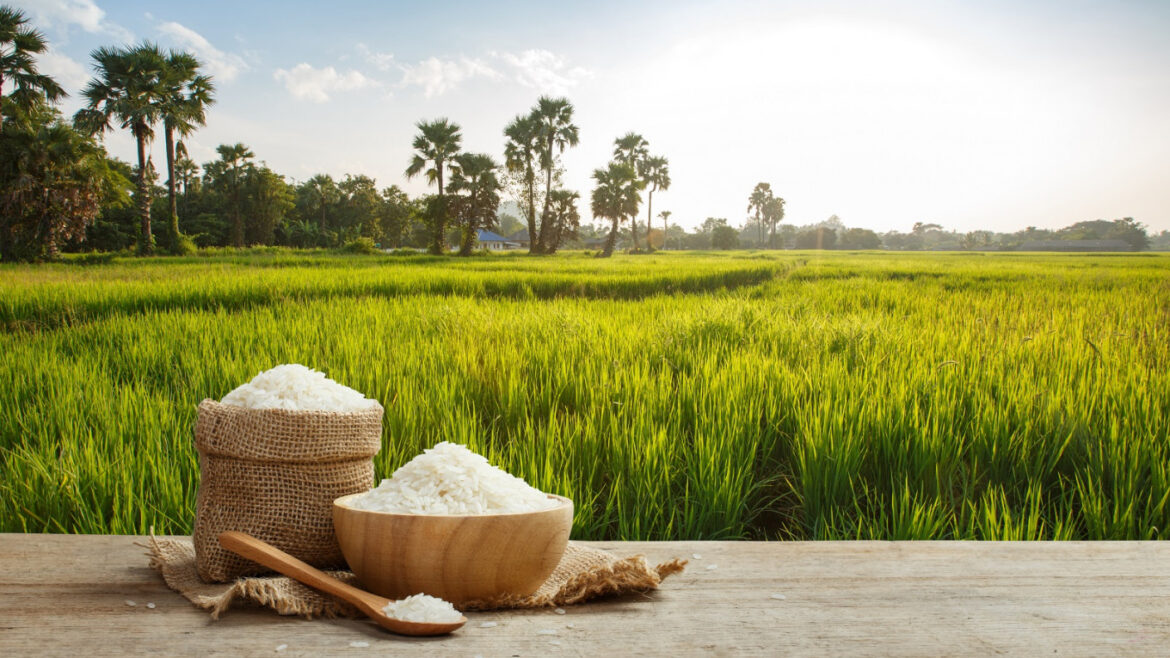
For the first time ever, Pakistan reached an important goal by exporting $4 billion worth of rice in 2024. This big accomplishment shows how strong Pakistan’s farming industry is becoming, with rice—especially the famous basmati kind—leading the way. The Special Investment Facilitation Council (SIFC) was very important in making this happen, by encouraging new farming methods and more investments in agriculture.

The Role of Pakistan’s Basmati Rice in the Global Market

Pakistan’s basmati rice has always been famous for its high quality, which makes it very popular in other countries. This rice is known for its special smell and long grains, and it’s used in many kitchens around the world. Because of this growing demand, Pakistan’s rice industry has grown a lot, helping the country become a big player in international trade.
In 2024, the increase in rice exports was mostly because more people wanted Pakistan’s basmati rice. By working on better seeds, farming methods, and new research, the country was able to produce more rice.

SIFC’s Role in Agricultural Growth

The Special Investment Facilitation Council (SIFC) has played a key role in Pakistan’s successful agriculture sector. By helping with investments and creating opportunities for farmers, the SIFC has increased crop production and improved the quality of the crops. This has allowed Pakistan to meet growing international demand while also making its own agriculture sector stronger.
Shahjahan Malik, who used to lead the Rice Exporters Association of Pakistan, is very positive about this success. He thinks that reaching $4 billion in exports is just the start, and there’s potential for even more success in the future. Malik has set a big goal of $5 billion in rice exports for next year. He believes this can be achieved by researching better seeds and encouraging better farming methods.

The Road Ahead: $5 Billion in Rice Exports

To reach the goal of exporting $5 billion worth of rice, Pakistan needs to keep working on new and better ways to farm that also help the environment. This includes supporting research for better seed types, improving farming equipment, and teaching farmers how to grow rice more effectively. With the world wanting more of Pakistan’s rice, the country is in a good place to meet this need and sell even more of its farm products.

Conclusion: A Bright Future for Pakistan’s Rice Industry

Pakistan’s success in exporting rice shows how important innovation, investment, and smart planning can be. Thanks to the work of the SIFC and the constant demand for high-quality basmati rice, Pakistan is moving towards even bigger achievements. With a goal of reaching $5 billion in rice exports, the future of Pakistan’s farming industry looks very promising.

X
Welcome to D. I. Khan New City