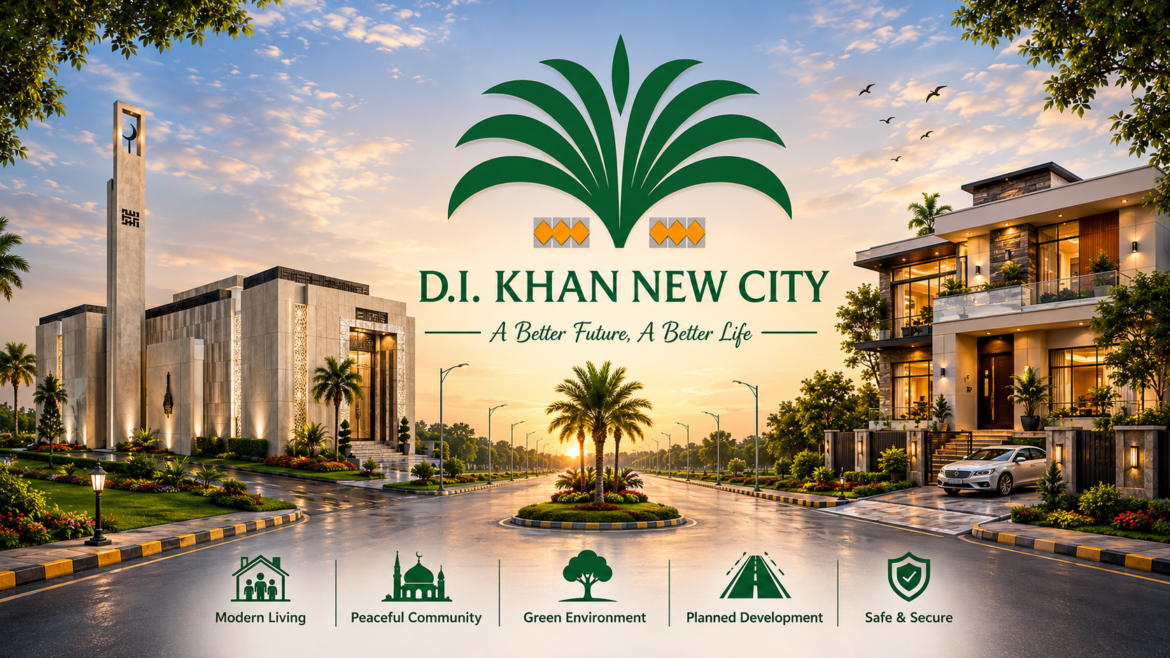
Real estate success is all about timing, location, and trust. For serious buyers, families, and investors looking for a secure future in Dera Ismail Khan, D. I. Khan New City has become one of the most promising names in the region.
With Phase 1 officially sold out and only a limited number of possessionable plots now available, this is a powerful moment for buyers who want to enter before prices move higher. The official DIKNC website confirms that Phase 1 has sold out and that limited plots remain available on a first come, first served basis.
Whether you are planning to build your dream home or looking for a high-potential real estate investment, the 5 Marla and 11 Marla possessionable plots in D. I. Khan New City offer a rare opportunity.
Why Possessionable Plots Are in High Demand
A possessionable plot gives buyers a major advantage: confidence.
Instead of waiting for future development, buyers can invest in a plot where development progress, infrastructure, access, and community planning are already visible. This makes possessionable plots especially attractive for:
- Families planning to build a home
- Investors seeking faster value appreciation
- Overseas Pakistanis looking for secure property ownership
- Buyers who prefer developed land over uncertain future inventory
In today’s competitive property market, possessionable plots are often the first to gain demand because they reduce uncertainty and offer stronger buyer confidence.
D. I. Khan New City: A Premium Gated Community Built for the Future
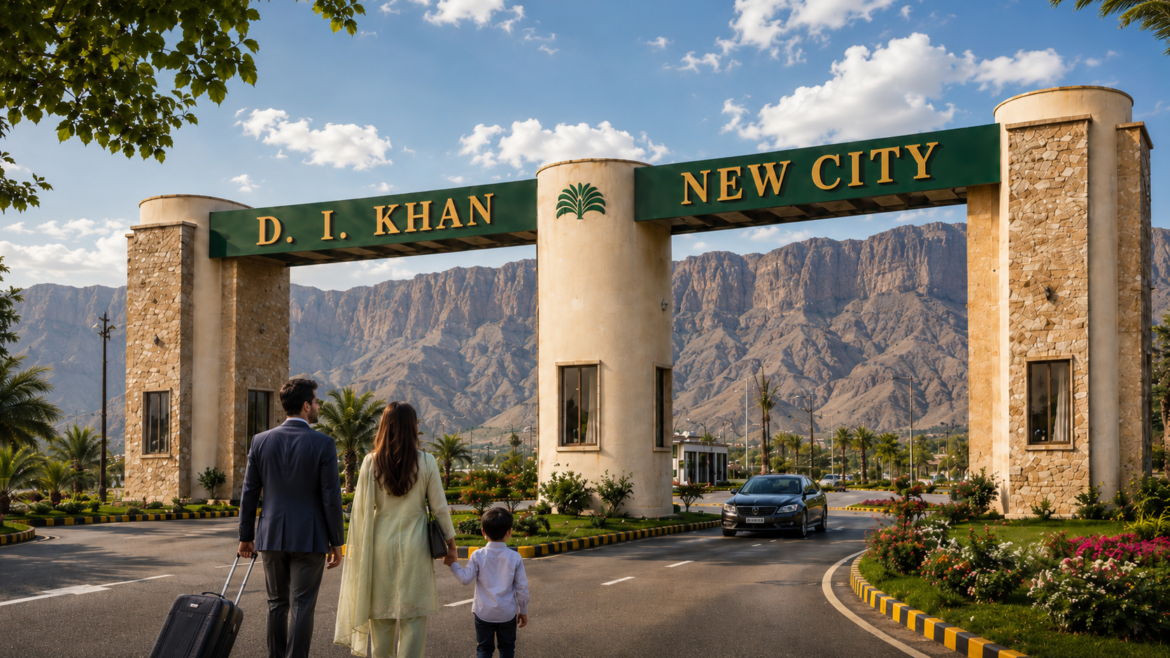
D. I. Khan New City is not just another housing project. It is a modern gated community designed to bring organized urban living, premium infrastructure, and lifestyle convenience to Dera Ismail Khan.
The official website describes D. I. Khan New City as a project of JK&S Global Developers, a Saif Group company, positioned to redefine luxury living in Paharpur District. It also highlights the project’s location along the CPEC route, wide clean roads, open spaces, and 24-hour surveillance and security system.
This combination of location, planning, security, and development vision makes DIKNC a strong choice for both lifestyle buyers and ROI-focused investors.
5 Marla Possessional Plots: Ideal for Smart Buyers
The 5 Marla developed residential plot is one of the most attractive options for buyers who want an affordable entry into a premium gated society.
It is ideal for:
- Small families
- First-time property buyers
- Rental-income investors
- Overseas Pakistanis looking for manageable investment
- Buyers who want to build a practical modern home
According to the uploaded Phase 1 payment plan, the 5 Marla developed residential plot size is 25×45, with a total price of PKR 2,650,000, down payment of PKR 1,000,000, and 6 monthly installments of PKR 275,000. The full payment price is listed as PKR 2,100,000.
For buyers who want to enter the project at a smart price point, 5 Marla possessionable plots can offer excellent long-term potential.
11 Marla Possessionable Plots: Premium Space for Premium Living
For families and investors who want more space, stronger resale value, and a premium lifestyle position, the 11 Marla developed residential plot is a powerful option.
It is suitable for:
- Luxury family homes
- Larger residential layouts
- Long-term property holding
- Buyers seeking stronger future appreciation
- Investors targeting premium buyers
According to the uploaded Phase 1 payment plan, the 11 Marla developed residential plot size is 35×70, with a total price of PKR 4,500,000, down payment of PKR 2,000,000, and 10 monthly installments of PKR 250,000. The full payment price is listed as PKR 4,000,000.
For buyers who want more space and a stronger lifestyle statement, the 11 Marla plot is an excellent choice before demand pushes prices higher.
Modern Amenities That Increase Property Value
A strong real estate investment is not only about plot size. It is also about the lifestyle and facilities surrounding that plot.
- I. Khan New City offers facilities that support both quality living and long-term property value, including:
- 24/7 security system
- Gated access points
- Medical complex
- Grand mosque
- Educational square
- Parks
- IT Park
- Commercial areas
The official facilities page confirms 24-hour security, CCTV surveillance, gated access, medical facilities, a grand mosque, educational square, parks, and a state-of-the-art IT Park.
These features create a complete living environment where families can enjoy security, comfort, convenience, and modern urban planning.
Why Investors Should Act Before Prices Rise
When a project reaches the point where Phase 1 is sold out, it sends a clear message: demand is strong.
The official DIKNC blog states that Phase 1 being sold out reflects the trust of investors, families, and future homeowners. It also highlights that limited remaining plots are being offered on a first come, first served basis.
This is where smart investors pay attention.
As development continues and limited possessionable plots reduce in availability, the market value of these plots can become stronger. Buyers who enter earlier often benefit from better pricing, better plot selection, and higher future demand.
For D.I. Khan New City, the investment appeal is supported by:
- Sold-out Phase 1 demand
- Limited possessionable plot availability
- Modern gated community planning
- CPEC-linked regional importance
- Development progress
- Lifestyle-focused amenities
- Strong buyer interest from families and investors
In real estate, waiting often means paying more later.
A Secure Lifestyle for Families
For families, D. I. Khan New City offers more than land. It offers peace of mind.
The planned community lifestyle includes secure access, wide roads, parks, educational facilities, healthcare, mosque, commercial spaces, and modern infrastructure. This makes it suitable for families who want to live in a clean, secure, and organized environment.
A possessionable plot in DIKNC allows families to plan their future home in a community designed for comfort, security, and long-term growth.
A Smart Opportunity for Overseas Pakistanis
For Overseas Pakistanis, real estate investment needs to be trustworthy, secure, and future-focused.
D. I. Khan New City offers a compelling opportunity because it combines:
- Developed residential plots
- Brand-backed development
- Secure gated planning
- Clear payment options
- Strong regional growth potential
- Limited availability
For overseas buyers who want to invest in their homeland, 5 & 11 Marla possessionable plots provide an attractive option with both emotional and financial value.
Final Thoughts: Secure Your Plot Before the Opportunity Closes
The availability of 5 & 11 Marla possessionable plots in D. I. Khan New City is not just another property offer. It is a limited opportunity to become part of a premium gated community at a time when demand is already proven.
With Phase 1 sold out, modern infrastructure in place, and limited developed residential plots available, this is the right time for serious buyers to act.
Whether you want to build your dream home, secure your family’s future, or invest before prices rise, D. I. Khan New City offers a smart and timely opportunity.
Book your possessionable plot today and secure your future in D. I. Khan New City.